
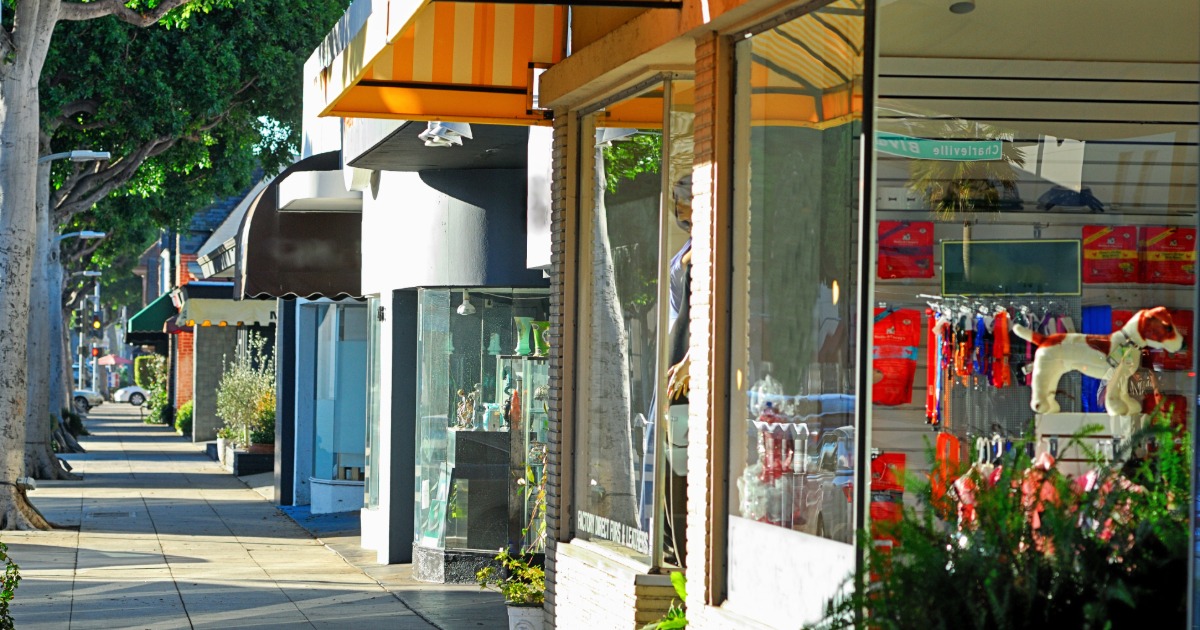
Storefront glass is the weakest point in most retail security setups. A single impact can clear an opening large enough to reach through or climb through, and the entire breach takes seconds. Building owners looking to close that gap usually land on one of two options: security window film or bars and grilles. One is designed to hold broken glass together after impact. The other physically blocks access to the window. They solve the same problem in different ways. Which one fits depends on what the storefront is actually up against.
How Bars and Grilles Protect Storefronts
Bars and grilles work through visible deterrence. A would-be intruder facing a barred storefront knows that getting in requires time, tools, and noise. In a smash-and-grab scenario where speed is everything, that visibility tends to redirect the attempt elsewhere. For storefronts in high-crime corridors, particularly those selling high-value portable goods like jewelry or electronics, bars have a long track record as a first line of protection.
Where Bars & Grilles Make Sense
Fixed bars or grilles are worth considering when:
- The storefront is unmonitored and unstaffed for extended periods
- Merchandise value is high relative to the difficulty of theft
- Visible deterrence has a demonstrated effect on the local crime pattern
- Any grilles at exit doors can be configured to meet IFC operability requirements
Downsides of Bars and Grilles
Aesthetics
Even where bars are code-compliant, the visual impact is hard to ignore. Barred storefronts signal a security condition to anyone walking by, and that perception follows the business. For retailers who depend on window displays to drive foot traffic, or properties in mixed-use districts where street presence affects neighboring values, the cost is direct and ongoing.
It also affects leasing. Commercial tenants in retail corridors factor storefront presentation into their decisions, and a landlord with bars on street-level windows may find the available tenant pool narrows as a result.
Exit Door and Code Considerations
Bars on display windows are generally straightforward. Grilles at exit doors are a different matter. Under IFC Section 1010.1.4.5, security grilles at the main exit of Groups B, F, M, and S occupancies must meet three requirements:
- Openable from the inside without a key or special knowledge during occupied hours
- Secured in the full-open position while the space is open to the general public
- Where two or more exits are required, no more than half of those exits may be equipped with security grilles
Always confirm the specific installation with the local authority having jurisdiction before moving forward.
How Security Window Film Works
Security film does not prevent glass from breaking or stop bullets. It helps to hold the broken pieces in the frame, and that is what helps stop a smash-and-grab. Most attempts rely on one or two quick blows to clear an opening. When the glass stays together, that sequence fails and the attempt typically ends there. How the film is anchored matters just as much as the film itself. Film applied to glass alone can peel away from the frame under sustained force, while a structural attachment system, such as 3M Impact Protection Adhesive, bonds the pane directly to the frame for significantly greater holding power. Thickness is also not a reliable predictor of performance on its own. Newer film materials absorb and distribute energy rather than resisting it through stiffness, so a thinner, more flexible film can outperform a thicker conventional one depending on the application. The benefits of security window film attachment systems and the FAQ on security film tear resistance cover both variables in more detail.
Where Security Window Film Makes Sense
Security window film is typically the stronger choice when:
- Aesthetics, foot traffic, and window displays are priorities for the business
- The primary threat is opportunistic theft rather than organized or repeat targeting
- The goal is meaningful protection without changing the appearance of the storefront
Choosing How to Secure Storefronts
For most storefronts, the decision comes down to threat profile and street presence. Film addresses the opportunistic smash-and-grab directly without affecting how the storefront looks or functions. Bars offer a visible, physical barrier that works well in specific situations but come with appearance and code trade-offs.
Many building owners use both: film on the glass for daytime protection and aesthetics, paired with a retractable gate that secures the full storefront after hours. For a broader look at how these approaches fit together, cost-effective ways to secure retail storefronts covers laminated glass, polycarbonate shields, shutters, and layered security strategies.
Next Steps
Every storefront has a different glass configuration, threat exposure, and exit layout. Energy Products Distribution (EPD), a 3M Master Distributor, connects building owners and property managers with installers who specialize in commercial security applications and can help identify the right fit for your situation.
Find an installer near you to schedule a site-specific assessment.

Energy Products Distribution is a Master Distributor of 3M Window Films, 3M Paint Protection Films, 3M Wrap Film Series 2080, 3M Protection Wrap Films, 3M Architectural Finishes, 3M Ceramic Coatings, and Windshield Skin. We sell our products to professional installers throughout the US who provide turnkey installations (labor and material) to end-users in the automotive, commercial, government, and residential markets. Contact us to learn more about the benefits of these products.