For building owners, sustainability is no longer a secondary consideration. It directly impacts operating costs, project timelines, and long-term asset value. Architectural films, particularly solutions like 3M DI-NOC, offer a practical way to improve interior spaces while reducing environmental impact.
Unlike traditional renovation methods that rely on demolition and replacement, architectural films install directly over existing surfaces. This fundamental difference changes how projects are planned, executed, and evaluated from a sustainability perspective.
Architectural Films: A Smarter Alternative to Demolition
Traditional renovation often follows a predictable path: remove the old material, dispose of it, and install something new. While effective, that process generates significant waste and requires new raw materials, transportation, and labor.
Architectural films take a different approach. By applying directly over structurally sound surfaces, they eliminate the need for demolition in many cases. This means less disruption and faster project timelines.
Key advantages include:
- Minimal material waste since the substrate remains in place
- Reduced demand for new raw materials
- Shorter installation timelines, often completed in hours or days
- Lower disruption to occupants and business operations
Extending the Life of Existing Surfaces
Not every outdated surface needs to be replaced. In many cases, the structure is still sound, even if the finish is worn or no longer aligned with current design standards.
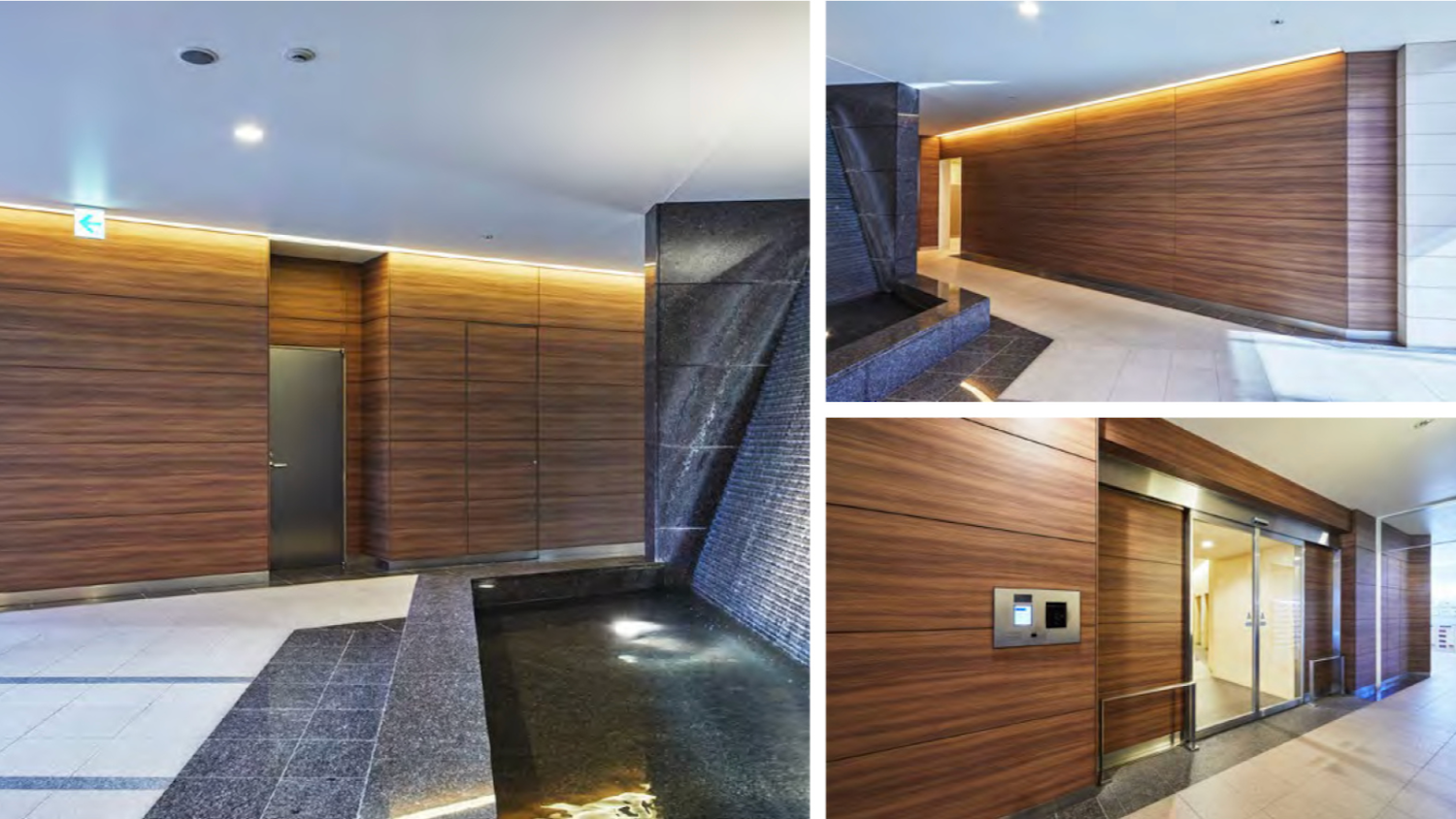
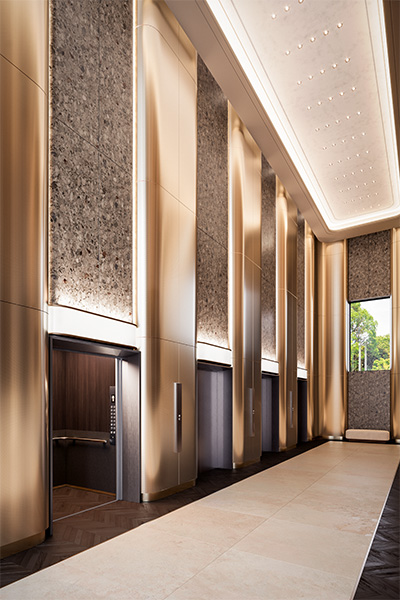
Architectural films allow those surfaces to be refreshed rather than removed. A dated wall panel, elevator interior, or door can be transformed with a new finish that meets modern design expectations.
Over time, this approach significantly reduces material consumption by extending the usable life of existing assets.
Supporting Sustainability Goals and Certifications
Sustainability is often tied to measurable outcomes, especially in commercial projects pursuing LEED or similar certifications. Architectural films support these goals in several ways.
They contribute to:
- Waste reduction by avoiding demolition
- Resource efficiency through reuse of existing materials
- Interior reuse credits when refinishing existing components
For building owners, this means architectural film is not just a design upgrade. It is a practical way to support sustainability targets while improving the performance and longevity of existing spaces.
Design Flexibility Without Rebuilding
One of the most overlooked sustainability benefits of architectural films is their removability.
When a space needs to be updated in the future, the film can be removed and replaced without damaging most underlying surfaces. This eliminates the need for another cycle of demolition and disposal.
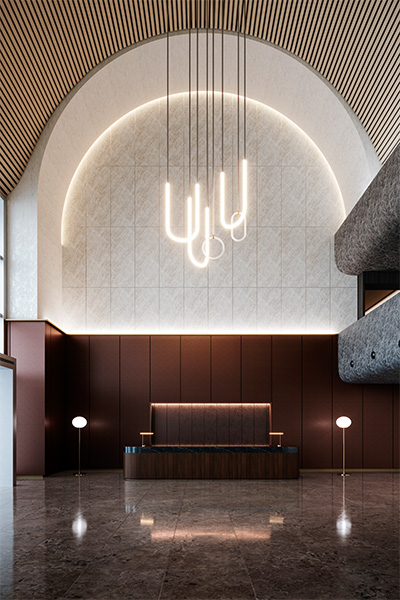
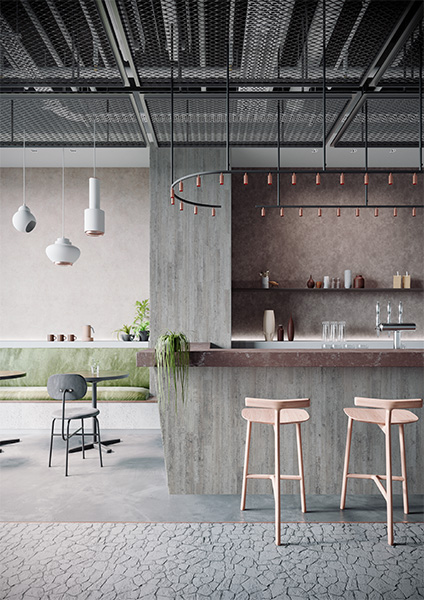
For building owners, this creates valuable flexibility as branding, tenants, or design preferences evolve. Spaces can be refreshed without the cost, disruption, or material waste of traditional renovation. With hundreds of available finishes, including wood grains, metals, stones, and specialty textures, architectural films offer design versatility without the environmental impact of full surface replacement.
Where Architectural Films Deliver the Most Impact
While films are not suitable for every surface, there are several applications where their sustainability benefits are especially clear.
- High-turnover interiors: Retail, hospitality, and corporate environments often update their spaces frequently. Film allows these updates to happen without repeated demolition cycles.
- Surface restoration projects: When surfaces are structurally sound but visually worn, film provides a lower-impact alternative to replacement.
- Glass applications: Specialized film solutions can transform glass surfaces without requiring new materials.
- Historic or constrained properties: In buildings where structural changes are limited, film offers a way to modernize interiors while preserving the underlying structure.
Practical Considerations for Dealers and Specifiers
Successful film applications start with proper surface evaluation. Not all substrates are suitable. Non-porous, structurally sound surfaces provide the best foundation for long-term performance.
For dealers, this evaluation is a critical step in setting expectations and ensuring installation quality. For building owners, it helps define where film can replace traditional renovation methods and where it cannot.
Bringing film into the conversation early in the project planning phase allows teams to fully capture both the sustainability and cost benefits.
A More Efficient Path Forward
Architectural films represent a shift in how renovation projects are approached. Instead of removing and replacing, they focus on enhancing what already exists.
For building owners, this means a more efficient path to updating spaces with less disruption, lower material waste, and greater long-term value.
At Energy Products Distribution (EPD), we help connect you with proven solutions that are practical, durable, and aligned with modern sustainability standards.If you are evaluating renovation options, architectural films are worth a closer look. Use EPD’s Dealer Locator to find a qualified installer in your area.
Energy Products Distribution is a Master Distributor of 3M Window Films, 3M Paint Protection Films, 3M Wrap Film Series 2080, 3M Protection Wrap Films, 3M Architectural Finishes, 3M Ceramic Coatings, and Windshield Skin. We sell our products to professional installers throughout the US who provide turnkey installations (labor and material) to end-users in the automotive, commercial, government, and residential markets. Contact us to learn more about the benefits of these products.