
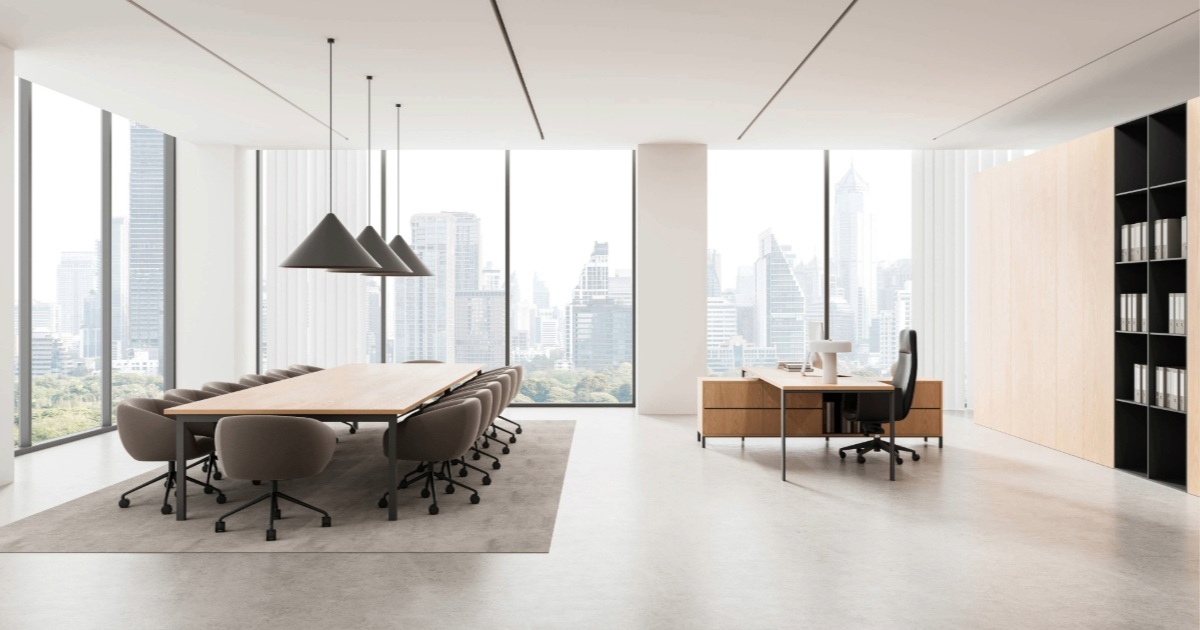
Sun control window films deliver some results immediately and others over weeks or months. Glare reduction and heat rejection begin the moment installation is complete, while the adhesive curing process takes 30 to 90 days and energy savings require a full billing cycle to measure against prior-year data. Knowing what to expect, and when, helps building owners interpret what they see in the days and months after installation.
Here is what changes, and when:
| Timeframe | What to Expect |
|---|---|
| Day 1 | UV, glare, and solar heat gain reduction begin |
| Days 1–90 | Film cures; temporary haze and small water pockets are normal and resolve on their own; final clarity reached |
| 30+ days | Proper cleaning per film manufacturer’s guidelines can begin |
| First peak season | Energy savings become measurable against prior billing data, assuming building usage / occupancy and weather are comparable to the prior period |
Sun Control Window Film Curing Process
Window film is installed using a water-based mounting solution that allows the installer to position the film precisely on the glass before the adhesive sets. After the film is in place, small amounts of residual moisture remain trapped between the film and the glass surface. This is normal and intentional. The moisture evaporates gradually over time in a process called curing.
During curing, the glass may look slightly hazy or cloudy. Small water pockets or faint streaks may be visible, particularly when sunlight hits the glass at certain angles. On large commercial panes, these effects are often more visible simply because of surface area and viewing distance. All of them resolve as the adhesive finishes bonding.
Full curing typically takes 30 to 90 days. The timeline depends on ambient temperature, direct sunlight, film thickness, and the season. Sun and warmth accelerate the process. Installations completed during cooler months or on north-facing glass may take longer to cure.
Cleaning Sun Control Window Films
Generally speaking, filmed glass surfaces should not be cleaned during the first 30 days. Cleaning too early can disrupt the curing process, interfere with adhesion, and cause issues that would not have occurred otherwise. Once the 30-day window has passed, use a soft cloth and an ammonia-free cleaner. Avoid abrasive pads, scrapers, or harsh chemical cleaners. Be sure to adhere to the film manufacturer’s guidelines for cleaning and maintenance.
Appearance of Sun Control Window Films: Inside and Out
From inside, the view outward remains clear during the day. Some films carry a slight color shift toward neutral or gray tones, but in most modern sun control films this is subtle. The interior feels more uniform because the harsh contrast between direct sun and shaded areas is reduced.
From outside, the degree of visible change depends on the film type. Reflective films produce a mirrored appearance during daylight hours. Films with lower reflectivity change very little about how the glass reads from the street. With reflective films, that mirrored exterior also affects privacy: brighter exterior light limits visibility inward during the day, but after dark the effect reverses. Buildings with evening occupancy should factor this into the film selection decision with their installer.
Normal Curing vs. Installation Defects
Knowing the difference between film that has yet to cure and defective film prevents unnecessary calls to the installer and flags problems that do need attention.
Persistent bubbles bigger than a quarter that do not shrink after several weeks are not normal. Opaque or white bubbles suggest contamination or adhesive failure rather than trapped moisture. Visible specks or particles under the film point to debris that was on the glass before application. Lifting edges that stay raised after the curing period should be reported to the installer.
Normal curing artifacts get smaller, clearer, and less noticeable over time. Defects stay the same or get worse. If something on the glass looks unchanged after 30 days, or if it is growing rather than shrinking, contact the installer. A qualified professional will evaluate the issue and determine whether the film needs to be reapplied.
It is important to view the finished product in accordance with the International Window Film Association’s visual quality standards.
What Occupants Notice After Sun Control Window Film is Installed
1) More Stable Temperatures
Spaces that previously required supplemental cooling or constant thermostat adjustments tend to stabilize. With less solar heat entering through the glass, the HVAC system is no longer compensating for an uneven thermal load.
2) Reduced Hot Spots
One of the first things occupants report is the reduction of hot spots near windows. In buildings with significant glass exposure, certain areas near south- and west-facing windows can become uncomfortably warm during peak sun hours. After film installation, those same areas feel noticeably cooler. The difference is most apparent to people who sit near the glass every day.
3) Reduced Glare
Glare reduction is immediate. Occupants working at screens or conducting presentations in rooms with direct sun exposure notice the change on day one.
4) Unchanged Natural Light and Views
The space rarely feels darker after installation. Sun control films block heat while transmitting a healthy amount of visible light. The result is a space that feels cooler and more comfortable without looking dim. Natural light enters without the harsh, direct quality that causes squinting and screen washout.
Occupants typically adjust within the first few days and stop noticing the film altogether. The noticeable change is that sitting near the window is now more comfortable.
Impact on Energy Bills and Operating Costs
Reduced solar heat gain means the cooling system works less during peak hours. This lowers energy demand and reduces strain on HVAC equipment, particularly during summer months. The effect is most pronounced in buildings with large glass facades, south- or west-facing exposure, and older or less efficient HVAC systems.
The first measurable impact typically appears in the first full billing cycle during peak cooling season. For a building that installs film in spring, a June or July utility statement may show the first clear comparison against the same month in prior years. Hot climates with extensive sun-facing glass see faster results; moderate climates with efficient glazing see more modest but still real improvement.
Sun control film also reduces UV exposure to interior surfaces, slowing the fading that gradually damages furnishings, flooring, artwork, and carpeting. The replacement and maintenance costs those items represent tend to far exceed the cost of the film itself. More detail on UV damage and furniture fade is available on the EPD site.
Why the Installer Matters
Sun control window films perform to their potential only when correctly matched to the glass and properly applied. A qualified installer evaluates the building before any film goes on: glass type, sun exposure patterns, existing coatings, and what outcomes are realistically achievable. Without that assessment, there is no reliable way to know whether a disappointing outcome is a product failure or a selection error.
Professional installation through an authorized installer also ensures manufacturer warranties remain valid. Building owners should retain all installation documentation, including what was installed, where, and by whom.
For a deeper look at the decision process before installation, EPD’s guides on how to choose commercial sun control window film and common selection mistakes cover that ground in detail.
Find an Installer Near You
EPD connects building owners with experienced 3M-authorized installers through a nationwide network. EPD’s installer network works with some of the best films on the market, including 3M Prestige, 3M Night Vision, and 3M Ceramic Architectural, and can help identify the right sun control window film for your building, budget, and performance goals. Find an installer near you.

Energy Products Distribution is a Master Distributor of 3M Window Films, 3M Paint Protection Films, 3M Wrap Film Series 2080, 3M Protection Wrap Films, 3M Architectural Finishes, 3M Ceramic Coatings, and Windshield Skin. We sell our products to professional installers throughout the US who provide turnkey installations (labor and material) to end-users in the automotive, commercial, government, and residential markets. Contact us to learn more about the benefits of these products.